Conventional single-use plastic is a problem.
Every year, hundreds of millions of tonnes of plastic are produced worldwide. Most packaging is used only once, generating huge amounts of waste that harm our land and marine ecosystems.
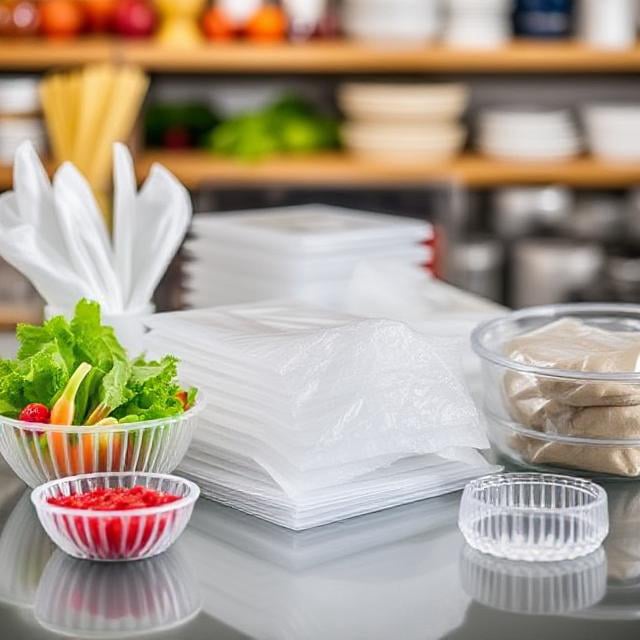
Bioplastics 4health
PHBV
100% compostable biopolymer
Every year, hundreds of millions of tonnes of plastic are produced worldwide. Most packaging is used only once, generating huge amounts of waste that harm our land and marine ecosystems.
of global bioplastics production by 2030
2.31M (2025) to 4.69M (2030)
of all bioplastics are used for packaging
Restriction on single-use plastics, driving 77% collection targets.
All packaging must be strictly recyclable or fully circular by 2030.
Financial penalties applied to non-recycled plastic waste.
Projected value of the European bioplastics sector by 2030.
Explosive growth rate within the PHA packaging segment.
Spain currently imports all of its compostable food films.
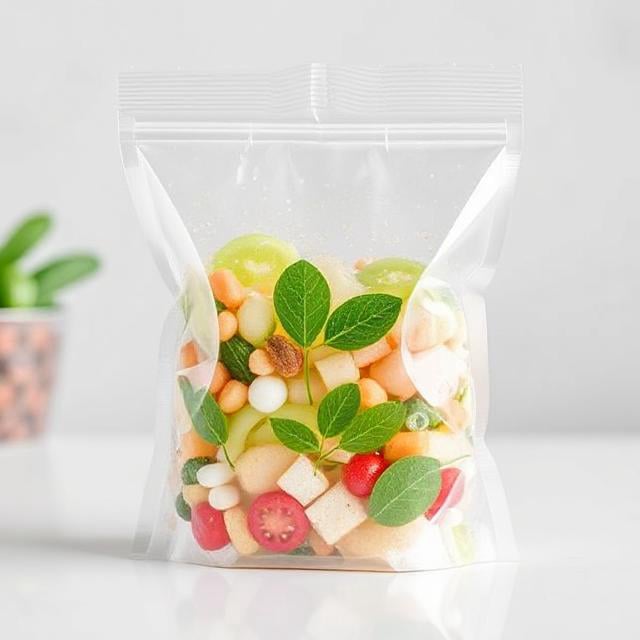
Breaks down without leaving toxic residues
Combines stiffness and flexibility, suitable for multiple applications
Complies with Regulation (EU) No 10/2011 on materials in contact with food.
PHBV starch-based
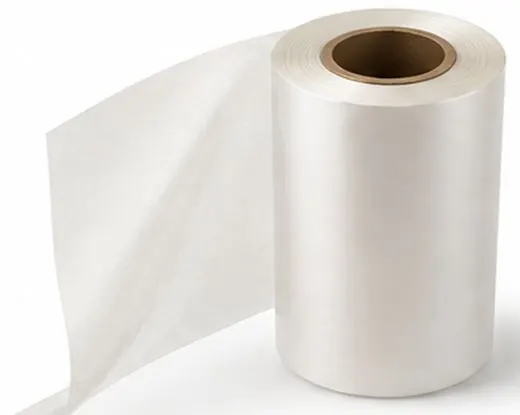
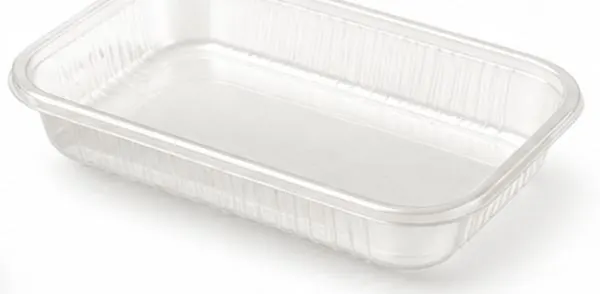
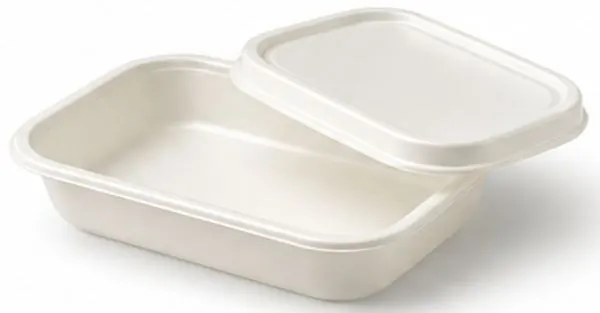
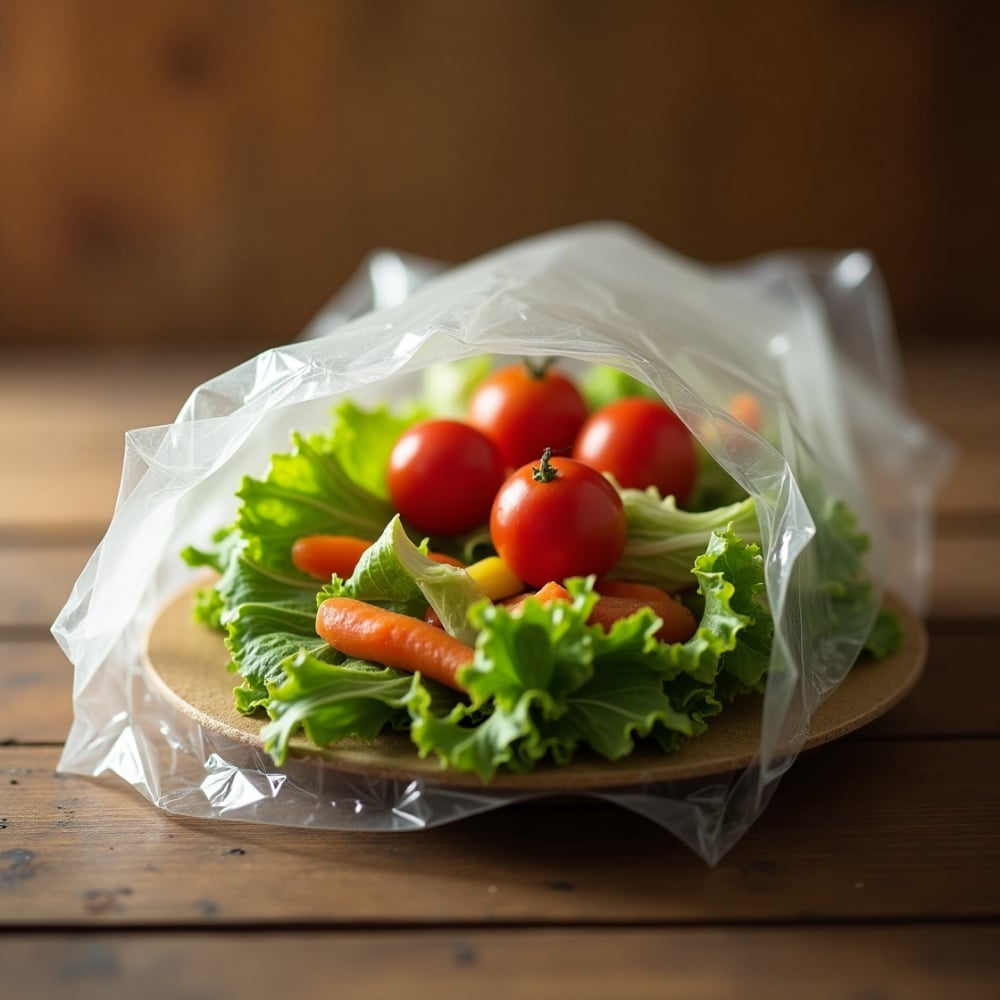
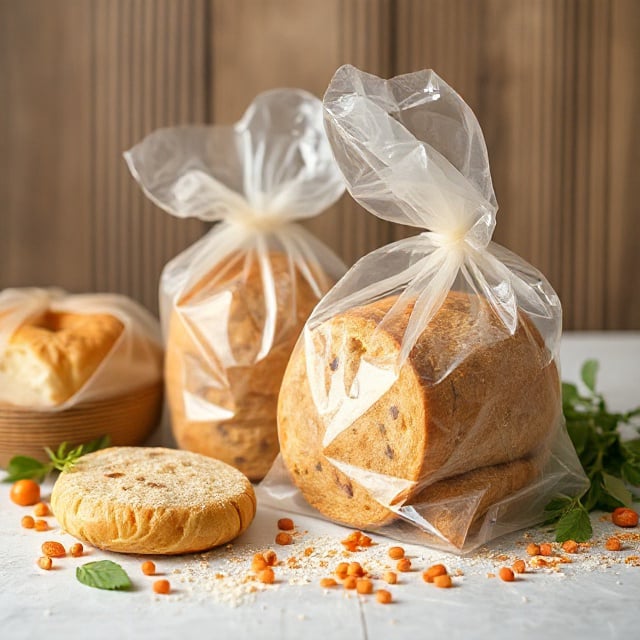
Blown film (flexible) · Thermoformed trays · Rigid trays & containers
Back to nature.
We use a patented, scalable process, developed by two technology centres, Tecnalia and Gaiker, which combines superior enzymatic hydrolysis with precision fermentation to obtain high-quality, high-purity PHBV from potato starch.


In this video you will find all the information
about our solution.
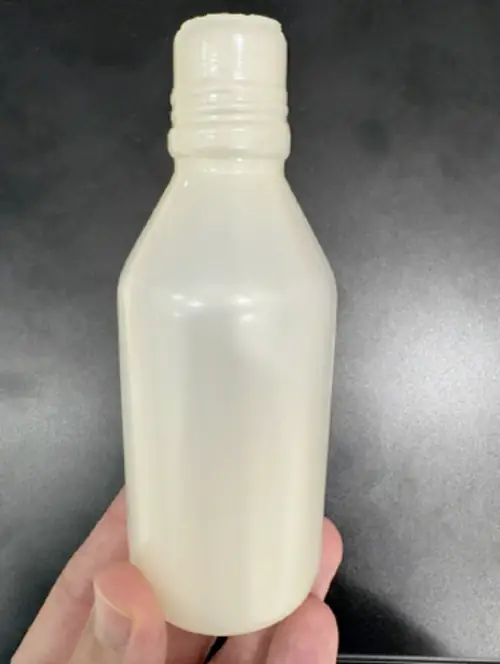
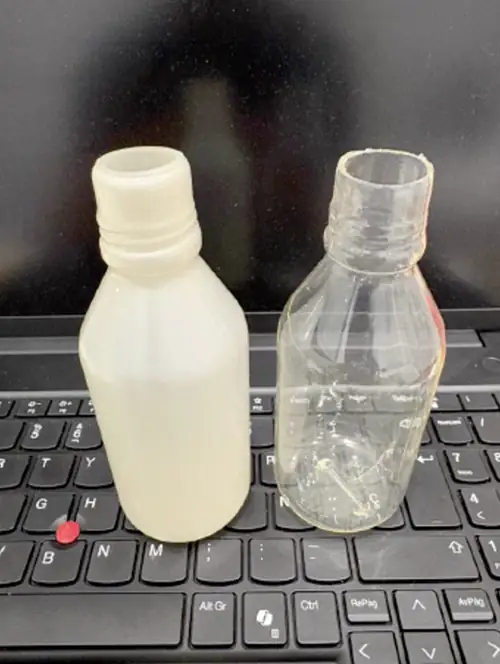
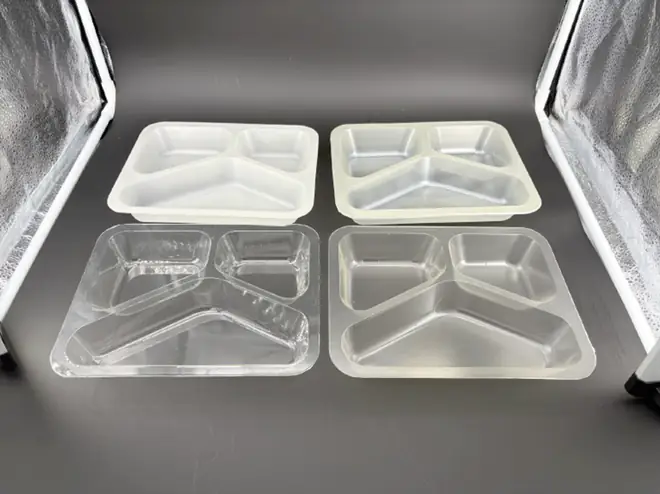
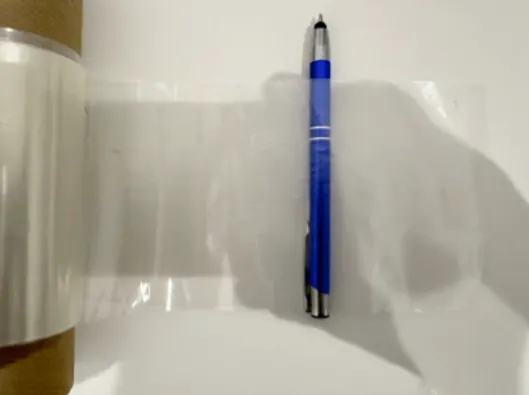


Process photos are illustrative (Unsplash).
Compared with other bioplastics producers, our competitive advantage lies in our patented technology:
We convert starch into sugars more efficiently, achieving much higher glucose concentrations.
We carefully control the process to achieve high PHBV yields (40–50% of biomass content).
We use natural solvents (NADES) or enzymatic processes, greener than traditional methods, with 20% higher recovery rates.
We convert starch into sugars more efficiently, achieving much higher glucose concentrations
We use natural solvents (NADES) or enzymatic processes, greener than traditional methods, with 20% higher recovery rates.
We carefully control the process to achieve high PHBV yields (40-50% of biomass content).
Exclusive co-developed process with full freedom-to-operate verification.
Owned compounding recipes (PHBV/Cellulose) preventing easy replication.
A major differentiator that keeps industrial-only competitors out of premium packaging segments. Stringent EU food-contact approvals are a severe barrier for new material entrants.
Strict compliance with the PPWR (EU Packaging and Packaging Waste Regulation) and sourcing visibility requirements.
Capital-intensive EU production scale-up blocks fast entry for latecomers.
Deep integration and qualification with EU packaging converters.


Phase 1 (2024–2026) · Validation
Phase 2 (2027–2029) · Commercial exploitation
Establish 5,000-tonne capacity.
Optimise global logistics hubs.
Deepen strategic partnerships and obtain global food-safety certifications.
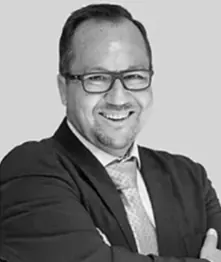
Proven track record moving from lab scale to industrial manufacturing.
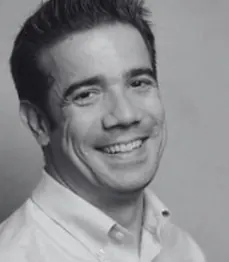
Deep domain expertise in bacterial fermentation and PHBV science.
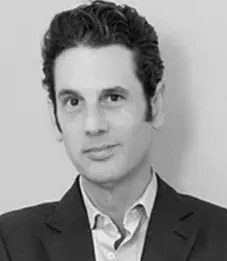
Strong relationships across the EU packaging and bioplastics ecosystem.
Key partner for materials compounding and home-compost compliance.
Packaging converter. Validating blown-film and extrusion line compatibility.
The 2030 circularity mandate accelerates demand for compliant packaging.
Replacing 100% of compostable films imported into Spain with local production.
22.56% CAGR for PHA in packaging applications outpaces existing supply capacity.

Seeking strategic funding & industrial partners to reach
Pilot testing of PHBV/cellulose/lignin/PBAT blends.
Provide capital in Q1 2027 via equity.
Co-invest to build a scalable bioplastics manufacturing plant.
Whether you are an investor looking for opportunities in the sustainability market or a potential customer interested in high-performance compostable packaging, we want to talk to you.
Get in touch and find out how Bioplastics4health can help you reach your sustainability goals and comply with European regulations.

Funded through the Innobideak 2025 programme by